
So, I know you know about personal hygiene. Brushing, flossing, bespoke rice soap, the whole nine yards.
But have you ever heard of sleep hygiene?
Sleep hygiene is basically many small, consistent behaviors that help you maintain your health as best you can, like basking in the sun for the vitamin D and uh, wearing sunscreen.
Tips for sleeping better
Want some quick tips to make sure you’re doing all you can to protect your sleep time? Buckle up.
Eating enough
Be sure you’re eating enough throughout the day so that you’re able to sleep better at night. Traditional wisdom has advised avoiding eating too close to bedtime or to avoid eating certain foods at night. Really, though, it’s best to do what works for you. If some foods keep you up at night, eat them earlier in the day. If they don’t, then have at it! It’s also okay to eat during the night if you wake up hungry. Four AM Caesar salad and mango yogurt, anyone? Oh, just me?
Screen time
We’ve all heard this one before. It helps to avoid screens and technology about an hour or more before bed. Consider other cozy and calming activities like stretching, cleaning your house, reading, or playing with your pet (or partner).
Gentle stretches
Speaking of stretching, stretching lightly before bed can help you feel like you’re ready to rest and ease into sleep for the night.
Moving during the day
If you struggle with anxiety or the feeling of being physically energized before bed, try to get in some movement during the day to tire yourself out some and get out some of your energy. Whatever works for you: walking, swimming, biking, dancing, stretching, etc.
Having a nighttime routine
It can feel helpful to remind your brain that it’s time to sleep by having a relatively consistent evening routine. This can consist of the other hygiene – brushing your teeth, having a warm bath – or drinking some herbal tea or a warm drink, reading a calm or unexciting book, or whatever else you want to do.
Dimming the lights
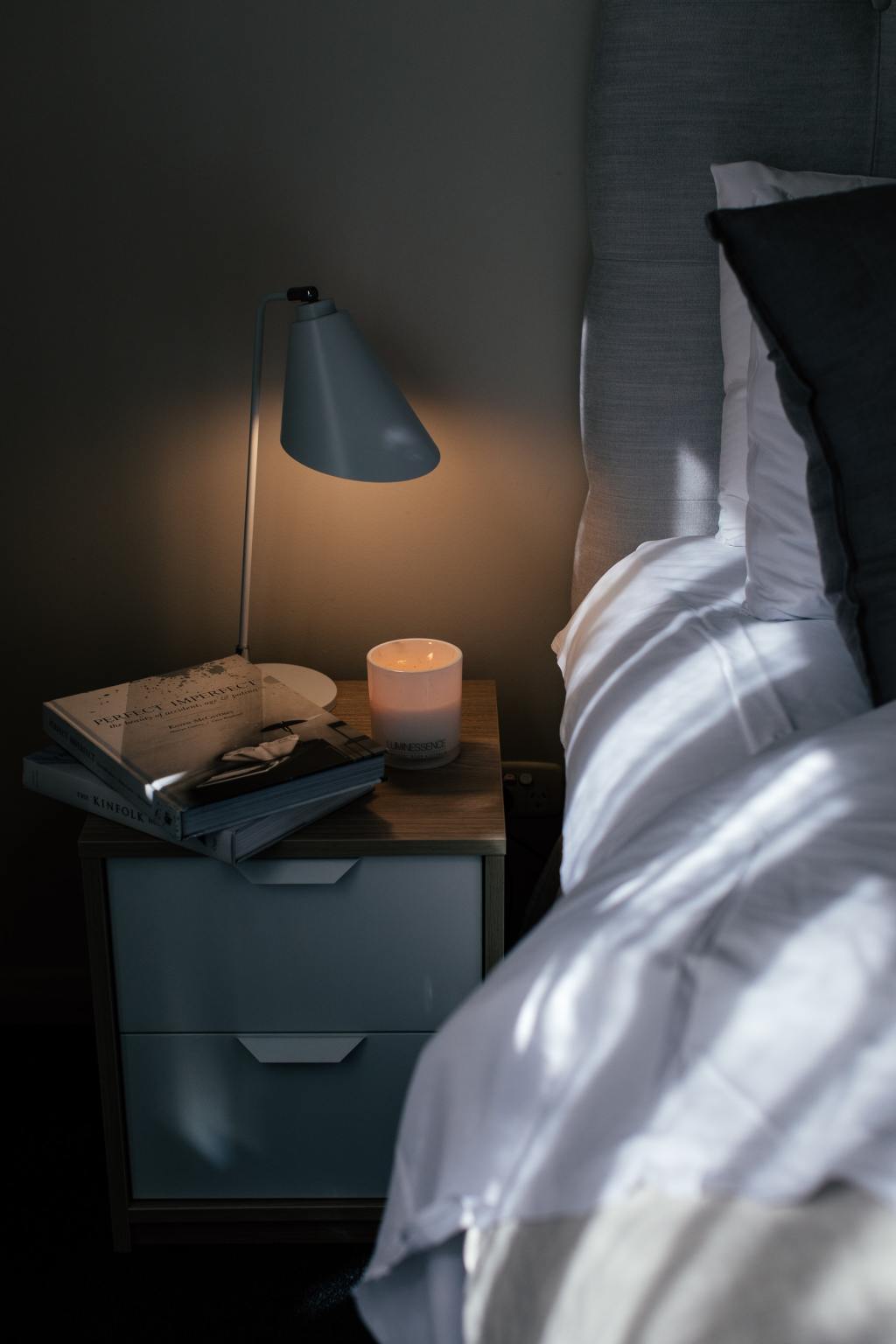
Turning down the lights about an hour before going to sleep can be useful to move yourself towards being drowsier for bedtime. If you have a few lights on, turn off about half of them, or consider a dim bedside lamp to leave on if you only have overheads.
What to use your bed for
It’s best to use your bed or sleeping place only for intimacy and sleeping rather than work, watching television/movies, or anything else, if you can help it. Since our brains are highly associative, they associate locations with activities.
Try meditating
Meditating before bed or listening to soothing music is a good way to help your brain focus on something besides how much money’s in your checking account or if you were too snarky in that text to your mom earlier.
Consistent sleep schedule
Having a relatively consistent sleep schedule can be good if you could use some help sleeping. I once heard a metaphor that going to bed after staying up much later on the weekends is a bit like traveling to a different time zone and then trying to go back to your home time zone every Monday. It’s tough.
Nix your devices
If you can, turn off your phone at night and put it in another room and use an old-school alarm clock. If that’s not possible, put your phone across the room, face-down, and turn off sounds and blinking lights for the night. Try using the “Sleep Schedule” program if you have an iPhone.
Temperature
Sleeping in a chilly room can help you feel more comfortable and snuggly under your blankets and can help cool down your body’s temperature to fall asleep.
Check out Sleepbot
Using docbotic’s Sleepbot to help you get better sleep, tout de suite. It’s free rn for a public trial.
That’s it, my top sleep hygiene tips for a better night’s rest tonight. Which one will you try first?
 docbotic
Leave a comment