
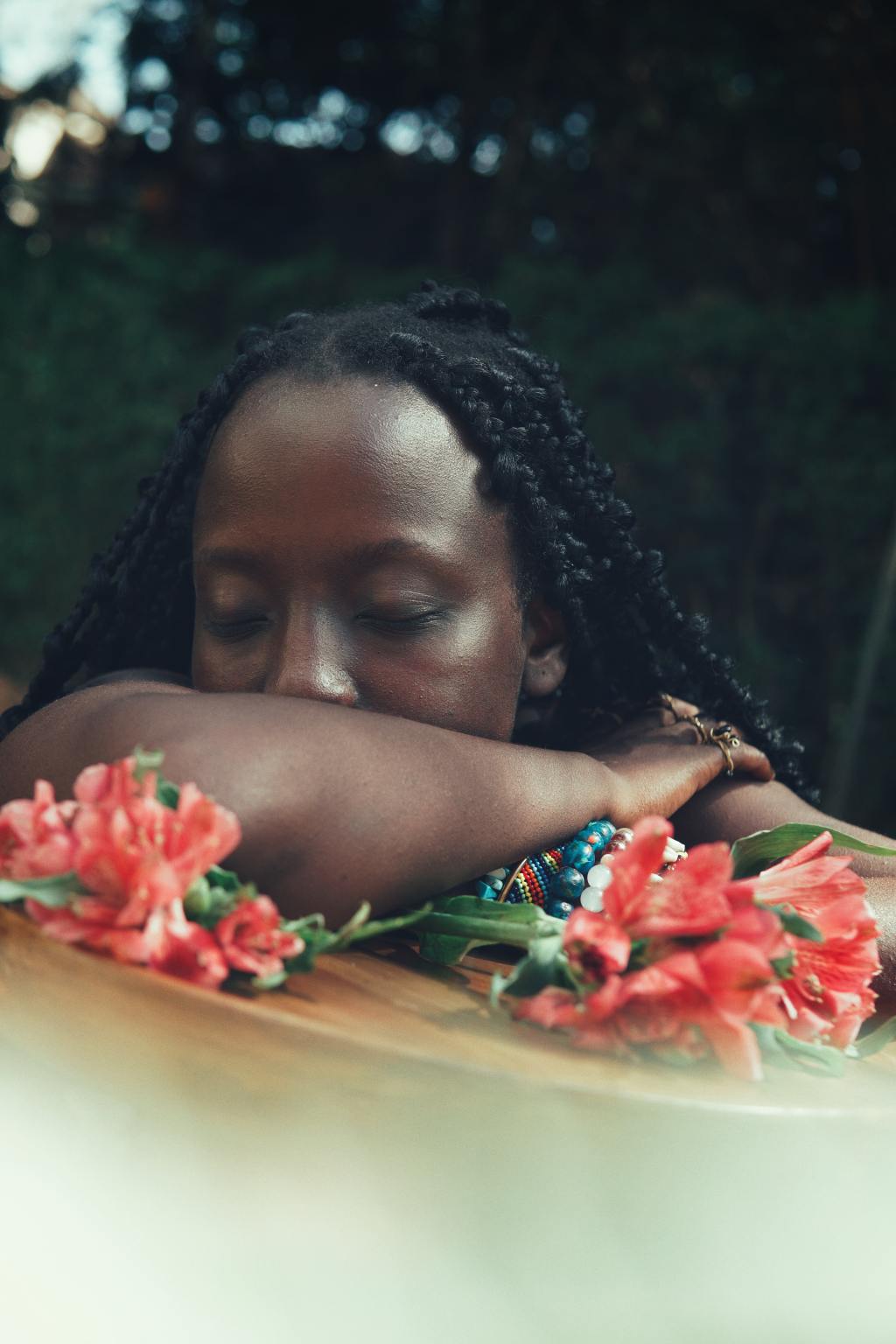

What is the Nap Ministry?
Tricia Hersey, founder of The Nap Ministry, is a pioneer in harnessing the liberatory power of rest and sleep.
Hersey is an artist whose work and writing focuses on rest as resistance; pushing back against grind culture and ever-quickening work pace, and driving yourself into the ground.
Considering the history of capitalism and how much of this violent system thrived off of the work of Black enslaved laborers, taking a break, resting, sleeping, meditating, and engendering ease throughout your day and life is a radical act, especially for Black people and other non-white people in the United States.
Movements on the resistance of rest
The “lie flat” movement in China emboldened young people to cut back on work in the past few years as an anti-consumerist lifestyle and move against the “996” lifestyle – working 9 AM to 9 PM, six days a week.
Recently at the Museum of Modern Art in New York is an art installation called “Black Power Naps” by multimedia artists Navild Acosta and Fannie Sosa with several beds for museum-goers to rest. They created such an installation after learning that Black Americans were five times as likely as white Americans to not get enough sleep, and emphasize the importance of rest and sleep for Black Americans especially.
These movements reflect a widespread cultural reflection on our relationship to work and to consumerism, intensified by the COVID-19 pandemic. Many more of us are considering how to slow down and get more rest rather than speed up and work harder.
Why is it so hard to rest?
Helen Hale, the Nap Ministry’s creative director and Hersey’s good friend, noted, “I have spent some real time thrashing around with the layers of conditioning that make it so hard to detach from our supremacist capitalist systems.”
The system of global capitalism and demands on many of us to be productive with our time and produce labor for companies in order to pay for our basic needs has made it challenging for us to take breaks and relax. For many of us, it takes real effort to cultivate rest and ease.
What are some ways to take a break?
Resting and sleeping is such an important thing that we can do to work against capitalism, white supremacy, and anti-Blackness. Hersey writes about rest as resistance and rest as reparations.
On her Instagram account, Hersey writes that she rests for at least a half hour every day. What would life be like if we all tried that?
Some of her ideas include taking a long and silent shower, tuning in to a sound bath, praying, daydreaming by staring out the window, taking a break from social media, deep eye contact, and not immediately responding to texts and emails.
Consider generational lessons on rest
Though there’s a lot that’s said about intergenerational trauma — the trauma that’s passed down from generation to generation via epigenetics and nurture — there’s also something that can be more gentle and useful – generation lessons.
Hersey writes about how her grandmother used to take daily 30-minute rests to meditate on the sofa when she was growing up, which was a beautiful model for her to continue as an adult.
How many times did you see an older relative take naps or take a break? For some of us, it might be never, but for others, we remember grandparents taking a solid nap every afternoon, or a parent encouraging us to take a sick day from school even when we weren’t physically unwell. Thinking back to lessons we learned about rest and sleep as young people and carrying on the ones that valued rest is a great start to getting more rest today.
Hersey said, “I judge success by how many naps I took in a week, and how many times I told somebody no; how many boundaries I upheld,” Hersey said. “To me that’s justice, that’s liberation, that’s freedom.”
Mic drop.
 docbotic
Leave a comment